
Manchester Plumber With 28 Years' Experience Reveals What He Tells Clients Off the Record

Derek Ashworth has spent almost thirty years sorting out the same drainage headaches across Greater Manchester — the same Victorian terraces, the same modern new-builds, over and over again. Eventually, he stopped keeping quiet about the trade's worst-kept secret.
Most homeowners only notice a problem once water starts pooling in the sink or the shower tray. Before that, everything seems fine — just a bit slower to drain. Maybe a faint musty smell that fades once you open a window. Nothing that seems worth calling anyone about.
That's precisely the trap. By the time a drain is visibly sluggish, the pipe behind it is usually already badly clogged. A minor inconvenience on the surface is often the tail end of a slow, invisible build-up — one that could have been stopped much earlier.
A Tradesman's Confession, 28 Years in the Making
Derek has worked as a master plumber in Manchester since 1998. In that time he's opened up more pipes, cleared more blockages, and repaired more drainage systems than he can count — in old housing stock, new developments, and large blocks of flats alike.
He's not one for long conversations. But over the last few months he's started telling customers something he used to keep to himself, for reasons that are fairly obvious.
"Call-outs for blocked drains are good business for me — I've always known that. But at some point I started telling people how to stop calling me so often, especially given how hard the water is up here in the North."
Why Your Gel Cleaner Isn't Doing Its Job
He recalls a customer in a block of flats in Didsbury. She cleaned her kitchen drain regularly — liquid drain cleaner, followed by boiling water from the kettle. Even so, she called him out twice a year, same issue each time, same call-out charge each time.
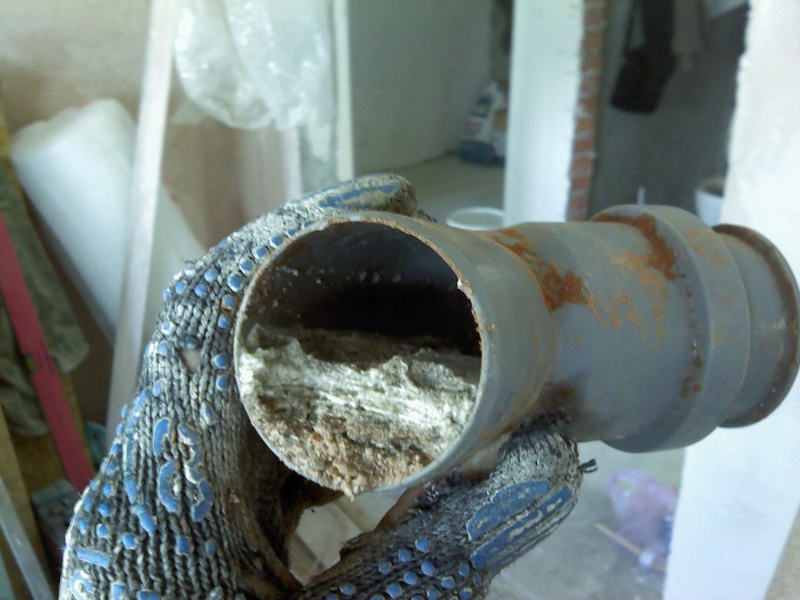
"When I opened that pipe up for what felt like the hundredth time, I showed her what was inside. The clear space had shrunk down to a fraction of what it should be. Not because she hadn't tried — but because what she was using never actually got to the problem areas."
The build-up wasn't sitting at the bottom of the pipe — it was coating the walls, wrapped around the bends, exactly where a liquid cleaner can never reach. It isn't about which brand you buy. It's simple physics.
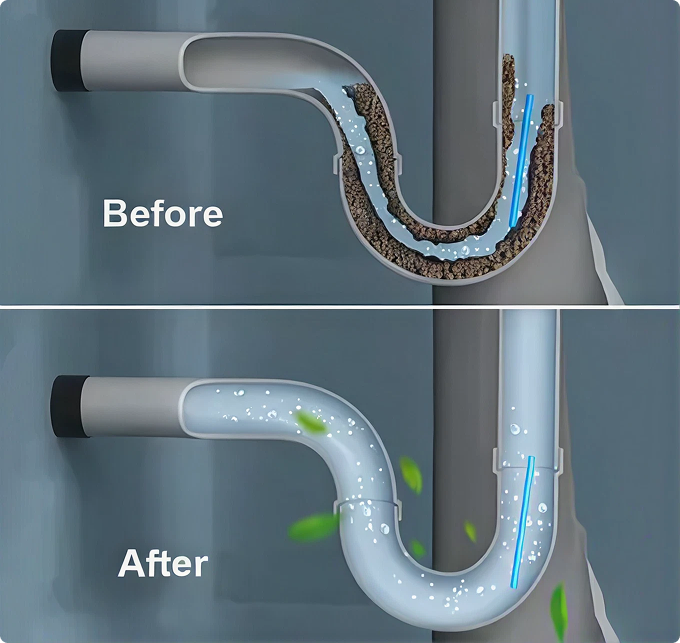
Liquid drain cleaners follow gravity. They run straight down through the middle of the pipe, past the grime on the sides, the grease clinging above, the dried residue sitting in the bends — and leave nearly all of it behind. Contact time is close to nothing.
Foam behaves completely differently. It expands. It rises. It works its way sideways into bends and grooves, clinging to the surface instead of rushing past it. That's how it reaches the spots liquid never touches.
How the Foam Actually Works
A colleague introduced Derek to a foam-based cleaning powder that expands to fill the entire width of the pipe on contact with hot water — reaching the bends, the walls, and every spot a liquid product misses. Its name: AquaVortex™
He tested it himself first, on a stubborn bathroom sink at home. Once satisfied, he began recommending it to the regulars he kept visiting for the same repeat job.
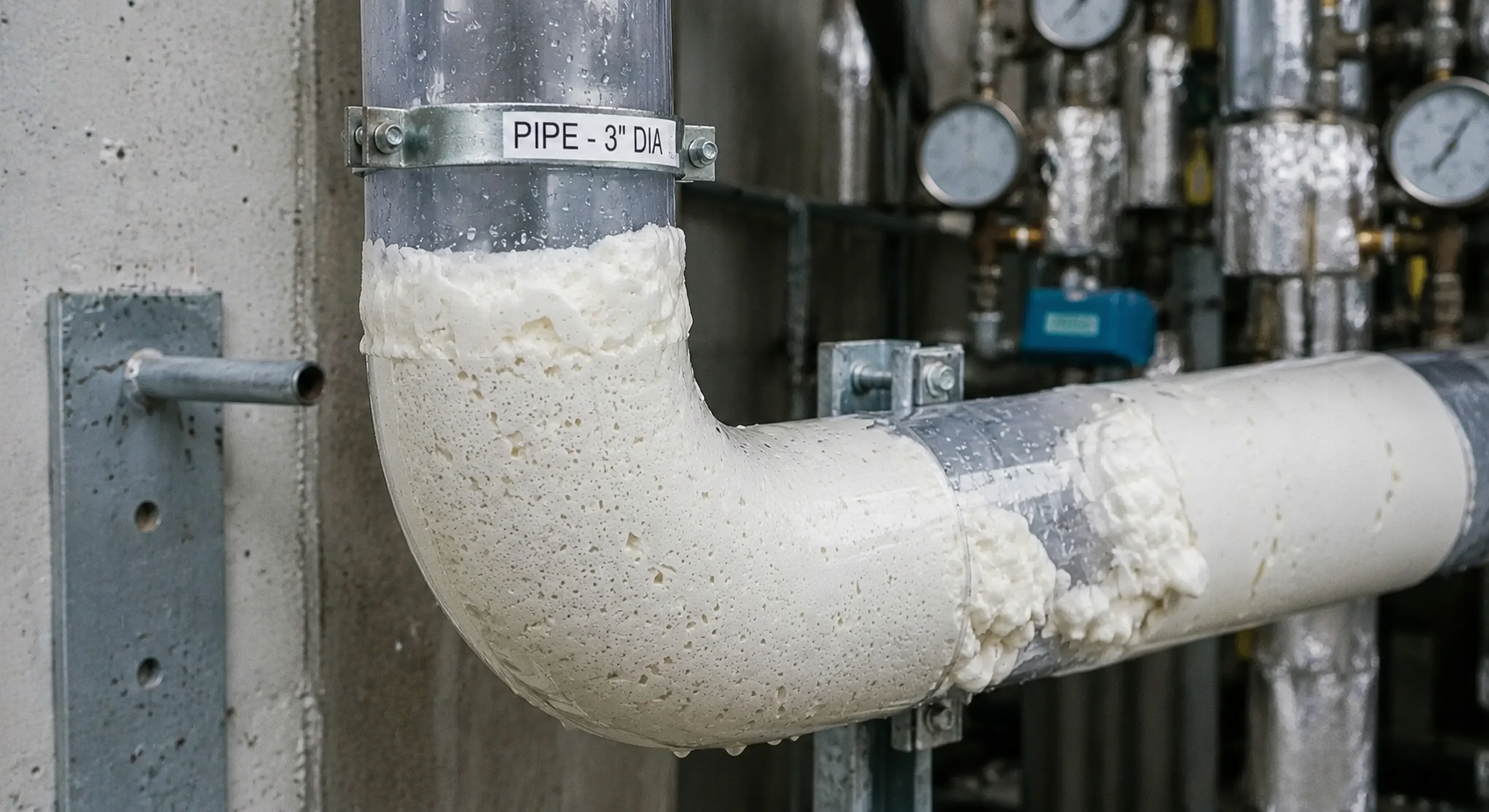
The idea is straightforward. The moment the powder meets hot water, it starts foaming. That foam expands to fill the full diameter of the pipe — upward, outward, into every bend — and gets to work dissolving hardened grease, soap scum, hair, and organic build-up straight off the pipe wall.
What UK Homeowners Are Saying

Oliver T.
London, Verified Buyer"Hard water where I live makes limescale a constant battle. I've tried just about every gel from the supermarket. AquaVortex genuinely filled the pipe, and that damp smell was gone by the next morning. Water runs like the pipes are brand new."
Emma R.
Edinburgh, Verified Buyer"Our place has old Victorian cast iron pipework, and I was always nervous about harsh chemicals eating away at the seals. This foam is gentle but works properly. No scrubbing, no fumes — just pour it in and wait. Really impressed."
Callum B.
Bristol, Verified Buyer"Kitchen sink always ran slow after doing the washing up. Wasn't expecting much from a powder, but the expansion is real — pushed out a lump of grease I didn't even know was sitting in there. Saved me a £150 call-out."
Expert Insights & Common Questions
Drawing on 28 years in the trade, here's how Derek answers the questions homeowners bring him most often about slow-running drains.
Will an expanding foam damage older PVC or metal pipework?
"No. The cleaners I've gone off are the liquid ones with extreme pH levels. AquaVortex doesn't rely on caustic chemicals — the cleaning power comes from the physical expansion plus an enzymatic formula, so it's safe on PVC, copper, and the cast iron lines common in UK homes."
How often should it be used for upkeep?
"For a household of three or four, I'd suggest a full treatment every two to three months. That keeps biofilm from building up on the pipe walls in the first place, which is the main cause of bad smells and sluggish drainage."
Will it clear a sink that's completely blocked?
"If the water isn't moving at all, you'll likely need to snake it first to open a path. But for slow drains and partial blockages, foam has the edge — it doesn't just bore a hole through the middle, it clears the whole width of the pipe."